
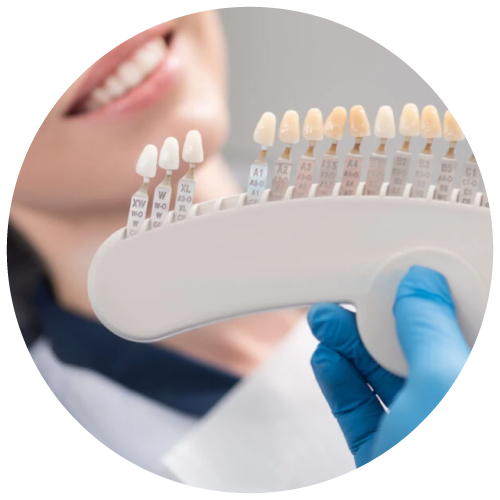
Types of Dental Veneers
Veneers are thin shells that are applied to the front surface of the teeth. By covering the front surface, they resolve most minor cosmetic flaws, including chipped teeth, gaps, discoloration that couldn’t be whitened, and unevenly sized teeth. Here are the types of dental veneers your dentist may recommend for your dental care.
Schedule Your Appointment
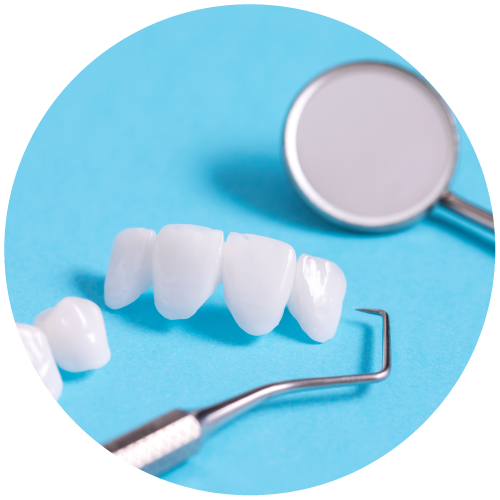
What are the Types of Dental Veneers?
Dental veneers vary in the materials used to make them. Across those materials, each differs in cost, durability, and application procedure. Due to these differences, they become dental solutions for different budgets and dental goals.
Porcelain Veneers
Porcelain veneers—often called ceramic veneers—are a popular, highly durable type of dental veneer. Although they are typically the most expensive option, their exceptional longevity and natural appearance make them a smart long-term investment for patients seeking a confident, radiant smile.
Material
Porcelain is prized for its many features. It mimics the color and light-reflecting translucency of a natural tooth. It’s a biocompatible material, meaning it won’t trigger harmful reactions in the body. Thanks to its light-reflecting translucency, porcelain veneers look incredibly lifelike. They are also resistant to staining and wear, which contributes to their long-lasting beauty and function.
Procedure
Placing porcelain veneers is a multi-step dental procedure that requires precision and customization to ensure a perfect fit. Here’s what you can expect:
- Your dentist will carefully remove a thin layer of enamel from your tooth to help the veneer bond properly.
- A dental mold is taken of your prepared teeth to ensure a custom fit.
- Your dentist will apply temporary veneers while your final veneers are being fabricated at a dental lab. In some cases, they can be customized into palatal veneers that also bond to the inside surface of your front tooth.
- Once your custom porcelain veneers are complete, your dentist will permanently bond them to the front surface of your teeth using dental cement.
Because of the careful customization and lab work, this veneer procedure typically spans two or more visits.
Cost
Porcelain veneers are the most expensive type of dental veneers. However, many patients find the cost worthwhile given their realistic appearance, durability, and stain resistance.
Durability
With proper oral care, porcelain veneers can last 10 to 15 years, or even longer. Their resistance to chipping, staining, and general wear makes them ideal for patients seeking a long-term cosmetic solution.

Composite Veneers
Composite veneers, or bonded veneers, are a versatile, cost-effective option. They’re available in two forms: direct composite veneers and indirect composite veneers. The main difference lies in their application method and durability. Direct veneers are same-day veneers. They are sculpted directly onto the teeth in a single visit, while indirect veneers are made in a dental laboratory and then bonded during a second appointment. One reason for creating indirect veneers is to address cases that require palatal veneers.
Material
Composite veneers are created from a tooth-colored resin matrix blended with inorganic fillers such as glass or silica. This gives the material strength and polishability. Composite resins are biocompatible, meaning they chemically bond to the natural tooth structure, reducing gaps and preventing microleakage. However, their success depends on the dentist’s skill in precise placement and curing.
Procedure
Both types of composite veneers begin with cleaning and prepping the teeth, but the process differs from there.
For Direct Composite Veneers:
- Your dentist selects and mixes composite resins to match the natural color of your teeth.
- A small amount of enamel is removed to aid adhesion.
- A bonding agent (dental cement) is applied to the surface of the tooth.
- Layers of composite material are sculpted onto the tooth.
- Your dentist hardens each layer with a curing light.
- The final surface is polished to give a natural shine.
For Indirect Composite Veneers:
- The dentist removes a minimal layer of enamel to prepare for the veneer.
- A mold is taken and sent to a lab, where a technician will create a custom veneer for you. In the meantime, your dentist will apply a temporary veneer to your tooth.
- At the next visit, your dentist will isolate the tooth and bond the veneer to it.
- Your dentist will make final adjustments to ensure the veneer integrates seamlessly with your tooth.
- They will then polish your veneer to complete the procedure.
Cost
Composite veneers are more affordable than porcelain veneers. They offer a budget-friendly way to enhance your smile while still delivering impressive cosmetic results. However, indirect composite veneers typically cost more than direct ones due to the required lab fabrication.
Durability
With proper oral hygiene and care, composite veneers typically last 5 to 7 years.
No-Prep Veneers
No-prep veneers, such as Lumineers and Vivaneers, are among the least invasive dental veneers available today, requiring minimal enamel removal.
These dental veneers are an excellent option for minor imperfections such as small gaps, slight discoloration, or minor misalignment. Because they are custom-made, they may still require more than one visit to your dentist, but the process is generally quicker and more comfortable than traditional options.
However, no-prep veneers are not ideal for everyone. Since they are thinner than other veneers, they may not adequately cover severe stains or damage. A consultation with your cosmetic dentist can determine if you’re a good candidate for this veneers option.
Removable Veneers
Removable veneers, also referred to as snap-on, pop-on, or clip-on veneers, are a temporary, budget-friendly alternative to permanent dental veneers. Similar to a retainer, they are designed to fit over your tooth and can be removed at any time.
These non-permanent veneers instantly enhance your smile, covering imperfections such as chipped, gapped, or missing teeth without the need for tooth preparation or bonding. Because of this, they are often considered a quick fix for special occasions or events.
However, removable veneers may affect your ability to eat or speak naturally, and they are not meant for long-term wear. While they’re one of the most affordable veneer options, they don’t offer the same durability or aesthetic precision as permanent veneers. Always consult your dentist to see if they’re a suitable part of your cosmetic dentistry treatment plan.

Which Type of Veneer is Best?
Choosing the best type of dental veneer depends on your oral health needs, aesthetic goals, budget, and how long you want your results to last. Here’s a quick comparison of the most popular veneer options available at Ellerslie 66 Dental Clinic:
Porcelain Veneers
Ideal for patients seeking long-lasting, natural-looking results. These ceramic veneers offer exceptional durability and are highly resistant to staining, making them among the most popular permanent veneer options in cosmetic dentistry.
Composite Veneers
A great solution for those who want a more affordable option with quicker application. They are less durable than porcelain but can still significantly enhance your smile.
No-Prep Veneers
Best suited for patients with minimal cosmetic concerns, such as small gaps or slightly misaligned teeth. These Lumineers or similar no-prep veneer brands are the thinnest form of veneers. They require little to no enamel removal, offering a non-invasive veneer procedure.
Removable Veneers
Also known as snap-on veneers or pop-on veneers, these are a temporary, budget-friendly choice for those who want to transform their smile for special occasions or explore veneers without committing to a permanent solution. However, they may affect speech and chewing.
Each veneer option has its own advantages. A consultation with your cosmetic dentist in Edmonton will help you determine the most suitable choice for your unique dental needs.
How to Care for All Types of Dental Veneers
No matter which type of dental veneer you choose, proper care is essential to preserving both your veneer and your natural teeth.
Maintain Good Oral Hygiene
Regularly brush and floss your teeth to keep your veneers and teeth clean and healthy.
Avoid Staining Agents
Reduce or eliminate foods and drinks that stain, such as coffee, tea, red wine, and tobacco, especially if you have composite resin veneers, which are more susceptible to discoloration than porcelain veneers.
Protect Against Damage
If you have bruxism, a custom nightguard can protect your veneers from chipping or wear.
Regular Dental Visits
Schedule regular checkups (every 6-12 months) with your dentist to detect early signs of damage or bonding issues.
Be Gentle
Avoid using your veneers to open packages or to chew on ice, as this can damage the veneer or underlying tooth structure.
With consistent dental care and a proactive approach to oral hygiene, your dental veneers can help you enjoy a long-lasting, natural-looking smile.

Need Dental Veneers? Schedule an Appointment Today
Choosing the correct type of dental veneer starts with a professional consultation. Every dental patient has unique needs, and the best option depends on your oral health, cosmetic goals, and budget. A thorough dental examination helps determine the most suitable treatment.
At Ellerslie 66 Dental Clinic, our skilled dentists help you enhance your smile with dental treatments tailored to you. Using advanced technology and proven techniques, they guide you to the most effective cosmetic and restorative solutions for a healthy, radiant smile. Schedule an appointment today for professional dental care in Edmonton, Canada.